

Can wisdom be automated?
A.I. and the source of all knowledge

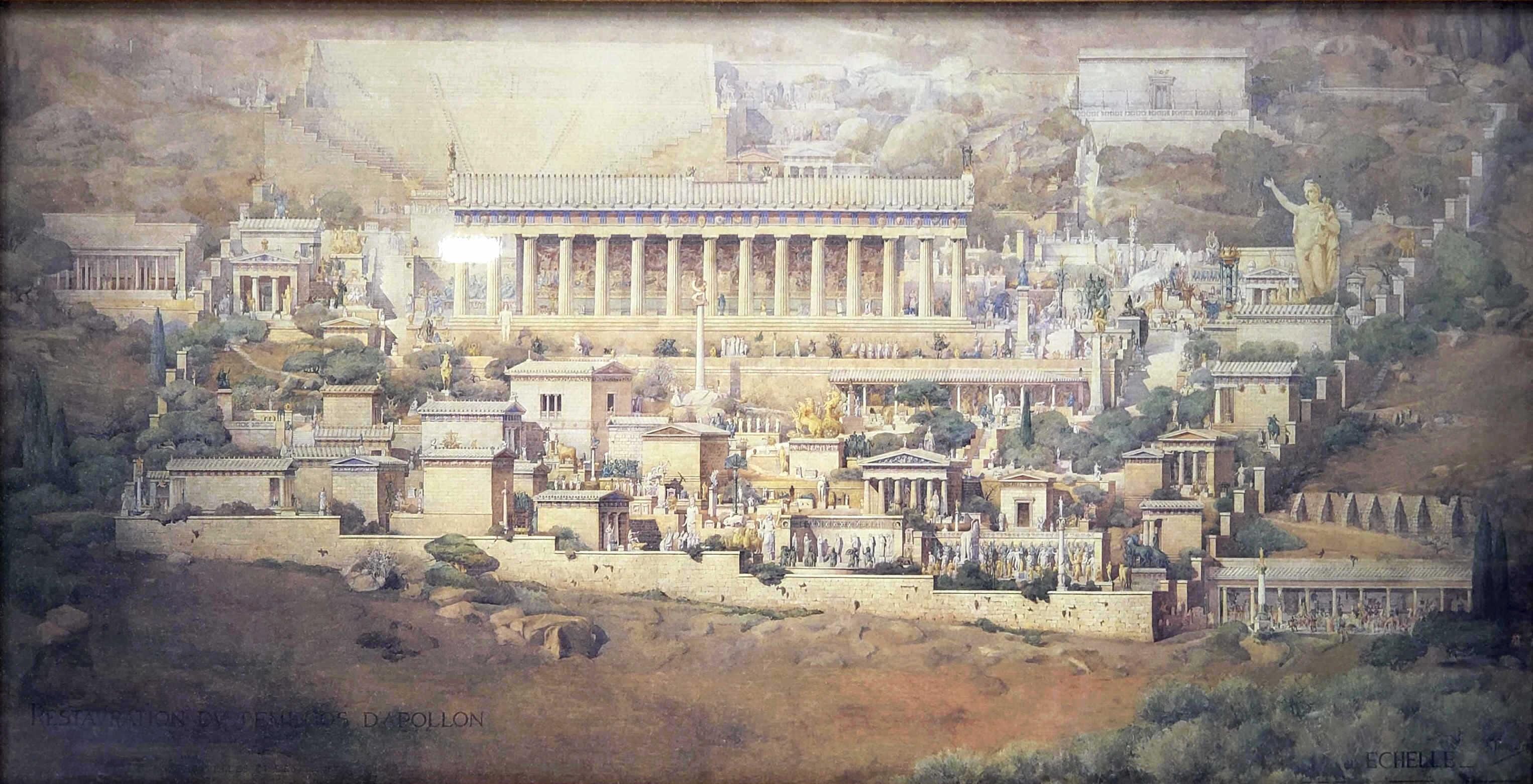
THE ORACLE OF DELPHI famously pronounced Socrates as the wisest in all of Greece, and asserted that the full synthesis of human wisdom could be expressed in the dictum: know thyself. The Ancient Greek precinct is clouded in myths and legends all dealing with consultations, wonderment, and questions about life. It holds a place in our collective historical consciousness for that reason, and is maintained by the undying curiosity to seek wisdom and knowledge.
The modern candidate for Delphi is certainly large language models (LLMs), which aim to compress the totality of human knowledge into an interactive system. This kind of generative artificial intelligence (A.I.) system holds information passively, until a user comes along to ask it if worms ever get bored of wiggling, or another one of life’s imponderables. It operates under the impression of a Spinozist worldview. LLMs present knowledge as a universal substance which is tractable and attainable. But can the same be said for wisdom? How should we understand A.I. as the wisest source for the answers to all of life’s arcane questions?
